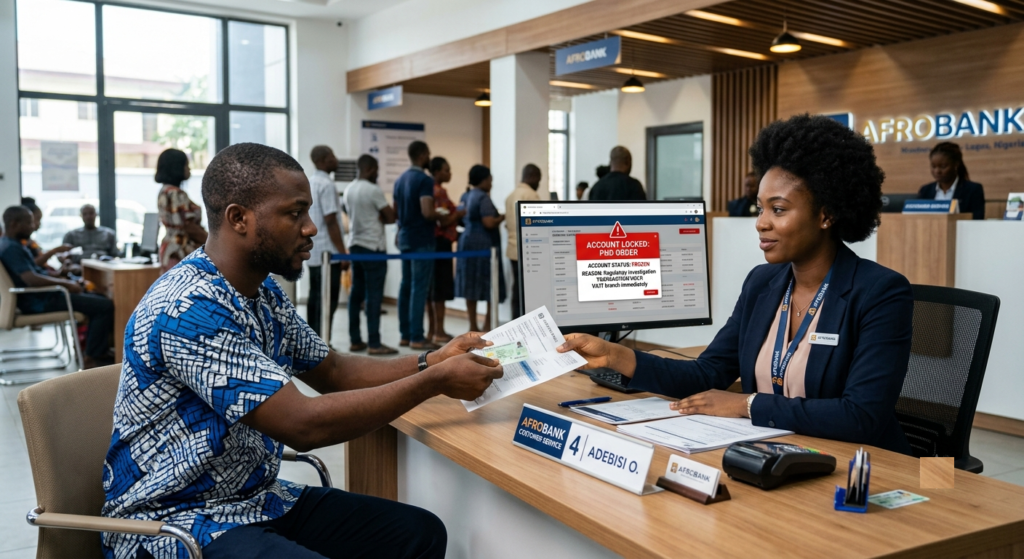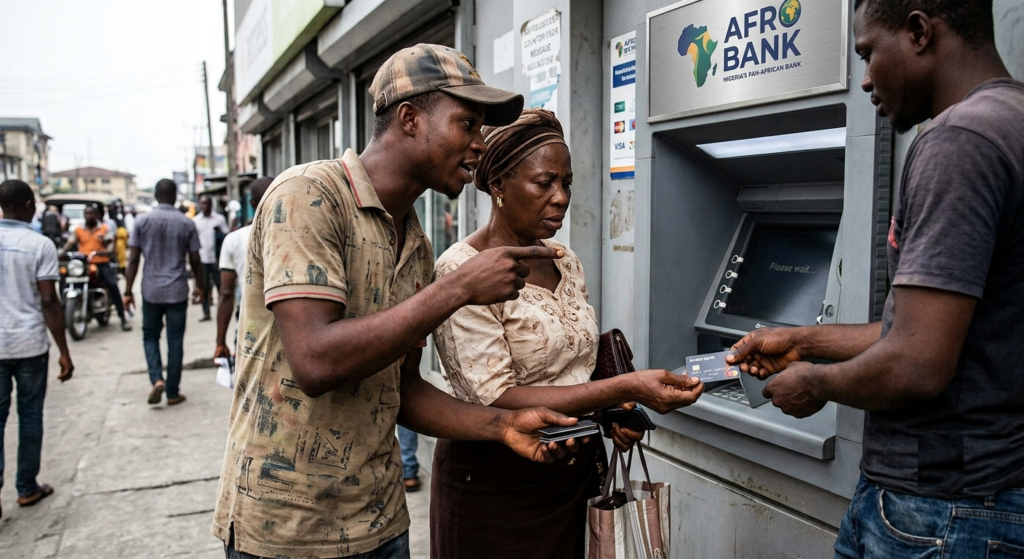
Bank data privacy in Nigeria is legally protected under the Nigeria Data Protection Act (NDPA) and strict Central Bank of Nigeria (CBN) guidelines. Under these frameworks, financial institutions are strictly prohibited from sharing your account statement, balance, or BVN details with third parties without your express consent, except under legal compulsion via a court subpoena or a public regulatory duty.
Understanding What Bank Data Privacy Is All About
The digital transformation of the Nigerian financial sector has made banking more seamless than ever. However, this convenience brings massive responsibilities regarding bank data privacy in Nigeria. Every time you open a mobile app, link your Bank Verification Number (BVN), or perform an online transfer, you entrust financial institutions with your most sensitive information.
This comprehensive guide unpacks your privacy rights, the risks of mobile banking, how to fix critical account errors, and the legal frameworks protecting your money and identity.
Bank data privacy in Nigeria has evolved from basic banking confidentiality into a highly regulated, strictly enforced legal landscape. The sector operates under overlapping jurisdictions controlled primarily by the Nigeria Data Protection Commission (NDPC) and the Central Bank of Nigeria (CBN).
For both consumers and financial institutions, understanding this ecosystem requires looking closely at the primary regulations, digital sovereignty laws, and your rights under the law.
The Legal Pillars Governing Your Financial Data
Data privacy in Nigerian banking is no longer just dictated by internal corporate policies. It is enforced by two major statutory frameworks:
- The Nigeria Data Protection Act (NDPA): Signed into law as the definitive legislation for privacy, the NDPA legally establishes that your personal financial details belong to you, not the bank. It forces banks to act strictly as “Data Controllers” who must justify how they collect, store, and process your information.
- The General Application and Implementation Directive (GAID): This framework outlines clear operational boundaries for institutions handling major consumer data, introducing stringent penalties and mandatory Data Protection Impact Assessments (DPIAs) before banks deploy new software or AI-driven profiling systems.
- CBN Consumer Protection Regulations: Running parallel to data laws, the CBN mandates strict technological safeguards including proxy firewalls, mandatory two-factor authentication (2FA), and strict customer consent protocols prior to any internal or external data usage.
Digital Sovereignty: The Data Localisation Mandate
A groundbreaking shift occurred via a strategic CBN Data Localisation Circular.
The central bank directed that all payment transaction data generated within Nigeria must be stored and managed locally within the country.
- Applicability: This mandate applies to all Deposit Money Banks (DMBs), Microfinance Banks (MFBs), Mobile Money Operators (MMOs like OPay and Palmpay), and Payment Solution Providers.
- The Goal: By enforcing digital sovereignty, the CBN ensures that foreign cloud servers cannot store sensitive Nigerian financial trails without adhering to domestic security audits, heavily mitigating cross-border leak risks.
Open Banking vs. Data Privacy
The deployment of the CBN Open Banking Guidelines has changed how financial data moves. Open Banking allows banks to share your data with fintech apps via secure Application Programming Interfaces (APIs) to give you access to better loans, budgeting tools, and payment features.
To protect you, the regulations divide financial data into distinct tiers, explicitly protecting the most sensitive blocks:
| Data Category | Definition | Privacy Protection Level |
| PIFT (Personal Information & Financial Transactions) | Includes your KYC details, BVN, account balances, and loan history. | Extreme. Requires explicit, unbundled user consent before every API call. |
| PAST (Profile, Analytics & Scoring Transactions) | Contains your digital behavior, credit scoring, and automated profiling charts. | High. Banks must allow you to opt out of automated decision-making frameworks. |
What Your Rights Look Like in Practice
Under the NDPA, Nigerian banking consumers possess unbundled, absolute data rights:
- The Right to Erasure (“To Be Forgotten”): If you close your bank account, you have the right to request that the bank delete non-regulatory data histories once statutory anti-money laundering (AML) holding timelines pass.
- The Right to Object: You have an absolute right to object to your bank using your personal contact data for aggressive direct marketing or sharing it with third-party insurance or loan affiliates.
- The Right to Portability: You can legally instruct your bank to securely transfer your transaction histories and financial profiles directly to another fintech or bank provider without artificial bottlenecks.
Corporate Penalty Framework for Bank Defaulters
Financial institutions that fail to protect consumer data or report breaches to the NDPC within 72 hours face devastating financial repercussions. The GAID framework empowers regulators to levy heavy criminal and administrative fines on banks:
Is Your Money Safe? How Nigerian Banks Protect (or Risk) Your Personal Data
When we think about bank security, we usually picture armed guards or encrypted vaults. In the digital age, however, your data is the real vault. If a fraudster gains access to your phone number, full name, and date of birth, they can bypass security protocols to drain your account without ever touching your physical debit card.
The Real Risks to Consumer Information
Nigerian banks deploy multi-factor authentication (MFA) and sophisticated firewalls to protect you. Despite these measures, security gaps still happen due to:
- Third-Party Integration Insecurities: Banks frequently partner with external digital infrastructure providers, creating extra connection points that hackers can exploit.
- Insiders and Social Engineering: Rogue employees or poorly trained staff can inadvertently leak customer data or sell confidential lists to cybercriminals.
- Systemic Data Silos: When internal banking systems fail to communicate properly, outdated or vulnerable backup servers become prime targets for data breaches.
5 Critical Security Risks in Nigerian Mobile Apps and How to Protect Yourself
Mobile apps are now the primary channel for retail banking in Nigeria. Unfortunately, rapid deployment sometimes means security features take a backseat to user convenience.
The Most Common Vulnerabilities
-
- Unencrypted Data Transmission: Some apps fail to properly encrypt session tokens, allowing hackers on public Wi-Fi networks to intercept your login credentials.
- Weak App-Timeout Features: Apps that stay logged in indefinitely after you minimize them leave your financial details exposed to anyone holding your physical phone.
- SIM Swap Vulnerabilities: If an app relies solely on SMS-based One-Time Passwords (OTPs) without device binding, criminals can clone your SIM card to gain full account access.
- Malware and Overlay Attacks: Malicious third-party apps downloaded outside official app stores can map your keystrokes when you type your banking PIN.
- Phishing Links in Support Channels: Fraudsters frequently impersonate official bank handles on social media, redirecting users from mobile apps to fake clone sites.
How to Protect Your Bank Account from Hackers
- Activate Device Binding: Ensure your banking app is locked explicitly to your phone’s unique hardware signature or biometric data (fingerprint/Face ID).
- Ditch SMS OTPs Where Possible: Move toward in-app soft tokens or hardware tokens for authenticating large transfers.
- Audit Your App Permissions: Regularly check your smartphone settings and deny banking apps access to your contacts, SMS, or microphone unless necessary.
- Never Use Public Wi-Fi for Transactions: Switch to mobile data before logging into any financial application.
How to Fix Wrong Account Names and BVN Errors in Nigerian Banks
Data inaccuracy is a massive headache that can completely lock you out of your funds. If you have mismatched records, you will find it nearly impossible to change wrong information on bank account sheets or update critical settings.
Step-by-Step: Fixing Names and BVN Inconsistencies
If your name is misspelled, inverted, or conflicts with your BVN details, follow this correction roadmap:
- Step 1: Gather Valid Legal Documents. You cannot fix an entry error casually. You must provide a government-issued ID (NIN, International Passport, or Voter’s Card) that displays your correct data.
- Step 2: Obtain Supporting Legal Evidence. If your name changed due to marriage or legal relocation, prepare a registered marriage certificate or a formal newspaper change-of-name publication alongside a court affidavit.
- Step 3: Visit a Physical Branch. Due to strict central regulations designed to prevent identity theft, most banks require physical presence to update BVN biometric profiles.
- Step 4: Request a Data Harmonization Form. Fill out the customer update form carefully, ensuring the spellings match your National Identity Number (NIN) database perfectly.
Can a Bank Share Your Statement Without Permission? Your Privacy Rights in Nigeria
A common question among consumers is: can a bank release my details or hand over my financial logs to third parties? The answer under Nigerian law is a strict No with very narrow exceptions.
Your Inherent Right to Confidentiality
Your bank owes you a legal duty of secrecy. They are strictly prohibited from sharing your account balances, transaction histories, or BVN details with external marketers, nosy employers, or unauthorized family members.
The Legal Exceptions
A bank can only bypass your consent and share your financial records under three distinct conditions:
-
- Legal Compulsion: A court of competent jurisdiction issues a direct subpoena or warrant ordering the bank to release records for an ongoing criminal investigation.
- Public Duty: The government mandates reporting to combat systemic financial crimes (e.g., reporting transactions that trigger anti-money laundering thresholds to the Economic and Financial Crimes Commission – EFCC).
- Express Consent: You explicitly check a waiver box or sign an authorization allowing the bank to share data with a credit bureau, insurance partner, or loan application.
What to Do If Your Bank Leaks Your Confidential Financial Information
Discovering that your private financial details have been leaked due to a bank system vulnerability can be terrifying. If you suspect or receive confirmation of a data breach, you must act instantly to contain the damage.
Actionable Mitigation Steps
-
- Freeze Your Accounts Immediately: Call your bank’s emergency USSD string or interactive voice response line to instantly deactivate your debit cards and freeze outbound transfers.
- Change All Access Credentials: Update your mobile app PIN, password, internet banking credentials, and email passwords from a secure device.
- Document the Evidence: Take screenshots of unauthorized transactions, strange login notifications, or emails indicating your data was exposed.
- Demand an Official Incident Report: Write to your bank’s Data Protection Officer (DPO) demanding a formal disclosure of what data categories were compromised.
How to Report a Bank Data Breach in Nigeria
If your bank tries to cover up the leak or refuses to compensate you for losses resulting from their negligence, escalate the case directly to the Nigeria Data Protection Commission (NDPC). You can file a formal complaint online via their official portal, providing your transaction timelines and proof of the bank’s security failure.
The Cost of Inaccuracy: Data Protection Challenges in the Nigerian Banking Sector
From a corporate standpoint, managing millions of customer profiles across various legacy networks presents steep operational hurdles. Maintaining clean data is not just an IT preference; it is a major regulatory battleground.
Core Corporate Hurdles
- Legacy Infrastructure Interoperability: Merging decades-old core banking frameworks with ultra-modern fintech APIs frequently results in fragmented, corrupted, or duplicated user records.
- Uncoordinated National Identity Systems: Discrepancies between the BVN database, the NIN database, and old immigration records make verifying user identities exceptionally complex for compliance teams.
- High Employee Turnover: The continuous exit of experienced cybersecurity and data compliance professionals forces banks to continuously onboard fresh talent, increasing the risk of operational errors.
How Nigerian Banks Can Stay Compliant with the NDPA
The legal landscape shifted permanently with the enactment of the Nigeria Data Protection Act (NDPA). This legislation imposes strict rules on how financial corporations collect, process, store, and discard consumer details. Non-compliance is no longer an option, carrying severe financial and reputational penalties.
Strategic Solutions for Modern Financial Institutions
- Enforce Privacy by Design: Software developers must integrate data minimization principles into banking apps from day one. Apps should only request user permissions that are vital for processing payments.
- Mandatory Continuous DPO Auditing: Financial firms must appoint dedicated, independent Data Protection Officers to run frequent stress tests on cloud servers and submit annual data audits to regulators.
- Implement Zero-Trust Architecture: Internal bank networks must operate on a strict “never trust, always verify” model. Employees should only access customer records explicitly required to fulfill their immediate tasks.
Modern Solutions to Customer Data Breaches in Fintech
As traditional institutions and flexible fintech startups race to win over consumers, the winner will not be the one with the flashiest app UI, it will be the entity that guarantees absolute security.
The Roadmap Forward
By blending strict adherence to CBN guidelines on data confidentiality with advanced AI-driven fraud detection networks, the Nigerian banking sector can build an unshakeable ecosystem. For consumers, staying educated on app security settings and knowing how to rapidly fix profile inaccuracies remains the ultimate defense. For banks, viewing data protection as a core asset rather than a regulatory chore is the only way to retain long-term consumer trust.
The Real Risks to Consumer Information
- Third-Party Integration Insecurities: Banks frequently partner with external digital infrastructure providers, creating extra connection points that hackers can exploit.
- The Rise of Algorithmic Vulnerabilities: As financial institutions increasingly adopt automated systems, they expose users to blind text risks like algorithmic bias, shadow AI data leaks, and model drift. To fully understand these system-level vulnerabilities, check out our comprehensive analysis on The Hidden Danger of AI in Banking.
- Insiders and Social Engineering: Rogue employees or poorly trained staff can inadvertently leak customer data or sell confidential lists to cybercriminals.
Frequently Asked Questions (FAQs)
Why does a transaction fail but my money is still debited?
This happens due to a temporary network timeout or communication glitch between your bank, the central clearing switch (like NIBSS), and the receiving bank. Your account is debited, but the system logs out before confirming receipt at the other end.
How long does it take for a failed transaction to be reversed in Nigeria?
Under CBN guidelines, instant bank-to-bank transfers must be reversed within 24 hours of lodging a complaint. Failed ATM dispenses take 24 to 48 hours, while Point of Sale (POS) and web checkout failures typically take 48 to 72 hours.
Can a bank forcefully pull back money sent to the wrong account by mistake?
No. If you made the error, your bank cannot legally reverse the money without the explicit consent of the unintended recipient. The bank can only place an administrative hold on the funds while they reach out to the customer for permission.
Can a Nigerian bank legally share my account details with my employer or family?
No. Your bank owes you a strict duty of financial confidentiality under the Nigeria Data Protection Act (NDPA). They cannot share your statements or balance info with third parties unless you give express consent, or they receive a formal court subpoena.
How do I report a bank data breach or privacy violation in Nigeria?
You should first report the incident to your bank’s Data Protection Officer (DPO). If the bank fails to address the breach or protect your information, file an official regulatory complaint online with the Nigeria Data Protection Commission (NDPC).
Conclusion
Navigating the digital financial landscape in Nigeria requires a balance of consumer vigilance and corporate responsibility. Protecting your money isn’t just about managing strong passwords; it is deeply tied to understanding your data privacy rights under the NDPA and knowing how to wield regulatory timelines when transactions glitch.
Whether you are trying to correct a mismatched name on your BVN profile, demanding a refund for a failed POS payment, or shielding your mobile app from hackers, keeping strict records of your digital footprints (like Session IDs) is your ultimate shield. As financial institutions continue to upgrade their systems to combat sophisticated threats, staying informed remains your best asset to keep your hard-earned money safe, secure, and entirely under your control.