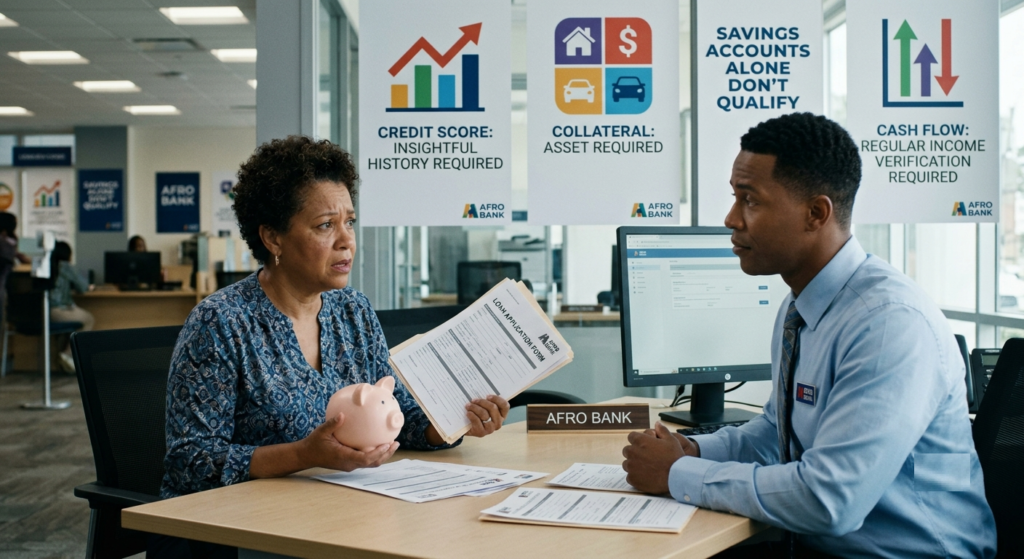
Loan recovery and debt collection are the processes financial institutions use to recover money from borrowers who fail to repay their loans according to the agreed terms. Loan recovery focuses on bringing delinquent loans back into repayment, while debt collection involves various recovery methods, including reminders, negotiations, restructuring, asset liquidation, and legal action when necessary used by the financial institution.
Loan Recovery and Debt Collection: How Do Banks Recover Unpaid Loans?
Taking out a loan is a normal part of life and business. Whether you are trying to expand a small shop, pay for an urgent hospital bill, buy a piece of equipment, or cover personal expenses, borrowing money can help you move forward when your current cash is not enough. Most people sign loan agreements with every good intention of paying back every single kobo on time.
Lending is one of the core functions of banking. Banks, microfinance institutions, cooperative societies, fintech banks and other financial institutions provide loans to individuals and businesses to support personal needs, investments, expansion projects, education, healthcare and other financial needs.
However, not every borrower repays as agreed as some will default in payment. Economic hardship, business failure, unemployment, poor financial planning and unexpected emergencies can make loan repayment difficult. When this happens, banks and other financial institutions must take steps to recover the outstanding debt while preserving the relationship with the customer whenever possible. This is where loan recovery and debt collection become important. To understand why loan recovery is important to banks, read my guide on “How to Spot Fake Loan Offers Online”
Understanding how these processes work helps borrowers make informed decisions and enables financial institutions to manage credit risk effectively.
What Is Loan Recovery?
Loan recovery refers to the actions taken by a banks, financial institutions and lenders to recover money from a borrower who has failed to make loan repayments according to the agreed time. The main objective of loan recovery is not punishment, but to bring a delinquent loan back into good standing and ensure repayment of the outstanding balance.
In many cases, lenders first attempt recovery through communication, negotiations and repayment arrangements before considering stronger legal actions.
What Is Debt Collection?
Debt collection on the other hand is the process of pursuing repayment from individuals or organizations that owe money to a lenders. While loan recovery often focuses specifically on loans, debt collection can apply to various forms of debt, including:
- Personal loans
- Business loans
- Credit card debt
- Overdraft facilities
- Mortgage loans
- Asset financing facilities
- Salary advances
- Unpaid commercial obligations
Debt collection can be conducted internally by the lender or by specialized debt collection agencies engaged by the creditor.
Loan Recovery vs Debt Collection Explained.
Many people misunderstand what loan recovery and debt collection is without knowing there are slight differences. The table below will guide you on the difference between both.
| Loan Recovery | Debt Collection |
|---|---|
| Focuses on recovering defaulted loans | Focuses on collecting outstanding debts |
| Usually handled by the lending institutions | May be handled internally or by legal means |
| Often aims to rehabilitate the loan | Focuses on obtaining payment |
| Common in banking and financial institutions | Applies across multiple industries, businesses and firms |
Both processes ultimately seek to recover money owed by the borrower.
Why Do Loans Go Bad or Become Delinquent?
Before looking at how banks recover their loan, you need to understand how banks view a loan default. Lenders know that not every borrower who misses a payment is a fraudster or has an intention not to pay back. Loan officers categorize borrowers into two group:
- The first group consists of people who are willing to pay, but genuinely cannot at that particular point. Maybe their business was affected by a sudden drop in sales, a fire, theft, or a medical crisis. They are willing to talk, they answer their phones and they are looking for a way out. Banks are usually willing to work with these people.
- The second group consists of people who have the money or have ways to raise it, but simply refuse to pay. They hide, change their phone numbers, move money into another bank accounts and ignore every letter sent to them. Banks treat these borrowers very differently because they see them as acting in bad faith.
Recognizing which group you fall into is important because your attitude as a borrower often determines whether the bank treats you with patience or brings down the full weight of the law on you.
Before understanding the methods involved in loan recovery, it is important to understand why borrowers fail to repay their loans. This is one of the Reasons Why Banks Do Not Give Out Loans to Personal Savings Accounts
The common reasons include:
Loss of Job or Unemployment
A borrower who loses a job may struggle to maintain regular loan repayments, especially if the loan was granted based on salary income. This is what we call “salary advance” in our bank.
Business Failure
Many business loans become problematic when revenue declines unexpectedly or when businesses experience operational difficulties. Example, imagine an importer who borrowed money from bank to import goods encounters a problem like ship wreck or goods seizure by custom officers. He wont be able to pay back the loan borrowed for the importation due to huge loss or losing his goods.
Medical Emergencies
Unexpected health expenses and challenges can redirect funds away from loan obligations. A bank customer who is bed ridden for months will find it difficult to pay back loan since he is facing a difficult health challanges.
Economic Challenges
Some economic factors like inflation, rising interest rates, currency depreciation and economic downturns may affect borrowers’ repayment capacity.
Poor Financial Management
Some borrowers take on excessive debt without a realistic repayment plan. They thereby fall short in repaying the borrowed loan.
Deliberate Default
Unfortunately, some individuals obtain loans with little intention of repaying them. These cases often require stronger recovery measures.
Stages of Loan Recovery
Most financial institutions follow a structured recovery process. Below are some of the recovery stages in banks.
1. Early Reminder Stage
When a payment becomes overdue, the borrower usually receives:
- SMS reminders
- Email notifications
- Phone calls
- Account alerts
The reason is to encourage them to immediately make payment before the situation worsens.
What you should do at this stage: Do not ignore the call. Pick up the phone, explain your situation honestly, and give a realistic date when you can pay. Even if you can only pay half of the installment right now, say so. Making a partial payment shows good faith and keeps your file from being flagged as high-risk.
2. Follow-Up and Customer Engagement
If loans remains unpaid, recovery officers contact the borrower directly to understand the reason for non-payment. At this stage, discussions may focus on:
- Financial challenges encountered by the borrower
- Updated repayment capacity
- Alternative repayment arrangements or plan
- Settlement options
3. Loan Restructuring
A lender may restructure a loan when temporary financial difficulties affect the borrower. Restructuring a loan may involve:
- Extending repayment tenure
- Reducing periodic installment amounts
- Granting payment moratoriums
- Adjusting repayment schedules
This approach can prevent a loan from becoming a complete loss to the bank or lender.
Can a Bank Restructure a Defaulted Loan?
Yes. Many banks and financial institutions prefer restructuring a loan when the borrower demonstrates a genuine willingness and ability to repay over time. Restructuring is often more beneficial than lengthy legal disputes because it increases the likelihood of recovering the funds while preserving the customer relationship.
4. Recovery Through Collateral
If the loan is secured, the lender may enforce its rights over pledged collateral.
Examples of these collateral include:
- Houses
- Land
- Vehicles
- Equipment
- Machinery
- Investment assets
The proceeds from asset sales are used to settle the outstanding obligation.
5. Legal Recovery Actions
Where repayment discussions fail, lenders may use legal process to recover loans. Possible actions include:
- Obtaining court judgments/orders
- Filing debt recovery suits
- Garnishee order
- Enforcement against pledged assets
- Recovery through insolvency proceedings
Legal action is generally considered a last resort due to the time and amount involved.
What Happens if a Secured Loan Is Not Repaid?
If a secured borrower defaults and recovery efforts fail, the lender may take possession of the pledged collateral in line with the loan agreement and applicable laws and policy. The asset may later be sold to recover the unpaid loan balance.
Common Debt Collection Methods Used by Financial Institutions
Financial institutions typically use a combination of recovery techniques or methods to get back their money.
The Gentle Reminder Stage (1 to 30 Days Past Due)
The moment your due date passes without a payment, your loan becomes “past due” or delinquent. In the first few days, nothing dramatic happens. Banks know that people sometimes forget dates, or that a salary payment might be delayed by forty-eight hours.
During this early stage, the process is mostly automated. You will likely receive:
- SMS alerts and emails: These are polite, computer-generated messages reminding you that your payment was due on a certain date and asking you to fund your account.
- App notifications: If you use a mobile banking app or a digital lending platform, you will see a red banner or a pop-up notice whenever you log in.
- Late payment fees: Depending on the terms you signed, the bank may add a small penalty fee or extra daily interest for every day the payment is late.
If a week or two passes and the account is still unfunded, a human being gets involved. A customer service agent or an early-stage recovery officer will call you. Their tone at this stage is usually friendly and helpful. They will ask if everything is okay, confirm whether you received the reminders, and ask when you expect to make the payment.
The Direct Debit and the GSI Rule (30 to 60 Days Past Due)
If a full month goes by and you still have not paid or if you broke a promise to pay on a specific date, the bank moves from gentle reminders to active recovery.
In the past, a borrower could take a loan from Bank A, leave that account empty, and keep millions of naira sitting comfortably in Bank B. That loophole no longer exists. Under regulations set by the Central Bank of Nigeria (CBN), banks now use a powerful tool called the Global Standing Instruction (GSI).
When you sign a loan agreement today, you also sign a GSI mandate. This gives the lending bank permission to search for money across every single bank account, microfinance bank, and mobile wallet linked to your Bank Verification Number (BVN).
If your loan is overdue, the bank can trigger the GSI system. Without calling you or asking for fresh permission, the system will automatically sweep funds from your other bank accounts to pay off the overdue principal and interest. It can even pull money from joint accounts you share with someone else, provided your BVN is attached to that account.
What you should do at this stage: Never assume your money is safe just because it is sitting in a different bank. If you have funds in another account, it is much better to transfer the money yourself and negotiate with your loan officer than to let the GSI system sweep your account unexpectedly, especially if that money was meant for an urgent medical bill or school fees.
Communication/Serious Calls and Loan Restructuring (60 to 90 Days Past Due)
This includes:
- Phone calls
- Emails
- Letters
- SMS reminders
- Physical visits
When a loan goes unpaid for two to three months, it moves out of the hands of regular customer care staff and goes to the bank’s internal Loan Recovery Unit. At the same time, the bank reports your missed payments to the Credit Bureaus.
Once your name is flagged at a credit bureau, your credit score drops. This means no other bank, microfinance institution or legitimate loan app in the country will lend you money until you clear your debt. Even employers and landlords sometimes check credit reports. So a bad record can affect your life in ways you might not expect.
At this stage, recovery officers will call you more frequently. They may also send formal Demand Letters to your home address, office address, and email. A demand letter is an official warning stating the exact amount you owe, the accrued interest and a strict deadline to pay before the bank takes stronger action.
However, this is also the stage where banks are most open to Loan Restructuring. Banks know that forcing a broke person to pay a huge lump sum is like trying to squeeze water out of a rock. If you sit down with them and show that you are genuinely struggling, they may agree to change the terms of your loan to make it easier for you to pay.
Restructuring can happen in a few ways:
- Extending the loan tenure: If you were supposed to pay back a loan in six months, the bank might stretch it to twelve or eighteen months. This lowers your monthly payment to an amount your current income can handle.
- Granting a moratorium: A moratorium is a temporary break. The bank might agree to pause your payments for one or two months to give your business time to recover, after which you resume paying.
- Waiving penalty fees: If you show serious commitment to clearing the main debt, many banks will agree to cancel the extra late fees and penalty interest that piled up while you were defaulting.
What should you do at this stage? Visit the bank branch in person, look at a recovery officer in the eye and explaining your situation carries much more weight than sending text messages. Bring evidence if you have it such as medical receipts, proof of a slow business season or a letter showing a delayed contract payment. Ask for a restructuring plan that fits what you can realistically afford every month.
Negotiated Settlements
Borrowers may negotiate with the bank through:
- Reduced penalties
- Extended payment periods
- Partial settlements
- Structured repayment plans
Payroll Deductions
For salary-backed loans, employers may assist in deducting repayments directly from employee salaries where contractual agreements exits. Like in banks, if a staff borrows loan from their employer, the agreed amount is deducted per month as soon as salary drops or a certain amount is deducted every month depending on the loan agreement.
Guarantor Recovery and Seizing Collateral (90 to 180 Days Past Due)
Where guarantors are involved, lenders may seek repayment from the guarantor if the primary borrower defaults. This one of the reasons why some people find it difficult to guarantee a person with questionable character or who is not credit worthy.
Once a loan crosses the 90-day mark without payment, banking regulations classify it as a Non-Performing Loan (NPL). At this point, the bank is required by law to set aside some of its own profits to cover the potential loss. Because this directly hurts the bank’s financial health and the recovery process becomes much tougher. How the bank acts at this stage depends on whether your loan was secured or unsecured.
If Your Loan Had a Guarantor
Many personal and business loans require one or two guarantors people who signed a form promising to pay the debt if you fail to do so. Around the 90-day mark, the bank will officially contact your guarantors. They will send demand letters to their offices and call them directly.
For many borrowers, this is the most embarrassing part of defaulting. Nobody wants their boss, mentor or close friend to get calls from a bank demanding money because of them. Often, the pressure from an angry guarantor is enough to make a borrower find a way to settle the debt. If the borrower still refuses to pay, the bank has the legal right to use the GSI mandate to pull money directly from the guarantor’s bank accounts.
If Your Loan Was Secured with Collateral
If you pledged an asset such as a car, a piece of land, a house, shop inventory or heavy machinery, the bank will begin the process of taking over that property.
Contrary to what people see in movies, a bank cannot just send thugs to throw your things out on the street. They must follow strict legal steps. First, they issue a formal notice of default and intention to sell. If you still do not pay within the notice period, the bank uses the legal power written into your mortgage or collateral agreement to take possession of the asset.
Once they take possession, they hire licensed auctioneers or estate valuers to sell the property. The money from the sale is used to pay off your loan balance, the accrued interest and the legal and auctioneer fees. If the property sells for more than what you owe, the bank is legally required to return the leftover balance to you. However, auction sales rarely fetch the full market value of a property, meaning you could lose a valuable asset for much less than it is worth.
Debt Sale/External Debt Collection Agencies (180 Days and Beyond)
If six months pass and the bank’s internal team has still not recovered the money, the bank may decide that chasing you is taking up too much of their staff’s time. At this point, they hand your file over to an External Debt Collection Agency.
These are private companies hired by banks to track down stubborn debtors and recover overdue funds. Collection agencies get paid a commission, usually a percentage of whatever money they successfully recover from you. Because their payment depends on getting you to pay, external collectors are much more persistent than regular bank staff.
They will call you repeatedly, visit your home or place of business and send regular follow-up notices. However, it is very important to know that debt collectors are still bound by the law.
In recent years, some rogue digital loan apps gave debt collection a terrible name by sending defamatory messages to borrowers’ phone contacts, threatening violence and using abusive language. Regulated banks and licensed collection agencies are strictly forbidden from doing this. Under Nigerian consumer protection laws and CBN guidelines, a debt collector cannot:
- Threaten you with physical harm or arrest.
- Publicly shame you on social media or send messages to your contacts who are not your guarantors.
- Call you at unreasonable hours of the night.
- Pretend to be a police officer, court official or lawyer if they are not.
What should you do at this point? Keep records of every interaction. If a collector speaks to you respectfully and offers a settlement plan, work with them. Sometimes, external agencies are authorized by the bank to offer a “haircut” or discounted settlement, for example, agreeing to close the entire loan if you can pay 70% of the total balance in one lump sum. If a collector crosses the line into harassment or illegal threats, document the calls or messages and report them to the bank’s compliance department or the Federal Competition and Consumer Protection Commission (FCCPC).
In some cases, lenders sell distressed debt obligations to specialized recovery firms at a discounted value. They are know as “discount houses”. These discount houses then pursues collection of the outstanding debt.
Legal and Court Action (The Last Resort)
Taking a borrower to court is the final step in loan recovery. Banks generally view lawsuits as a last resort because court cases are expensive, slow and can last on for years. However, if the loan amount is large and the borrower has assets or steady income that they are deliberately hiding, the bank will instruct its lawyers to file a lawsuit.
Once a case goes to court, the bank’s lawyers will present the signed loan agreement, your account statements showing the money was disbursed to you and records of all the demand letters sent to you.
Unless you can prove that you actually paid the money back or that the bank committed fraud, the court will always rule in favor of the bank. Once the judge issues a Court Judgment against you, the bank gets powerful legal power to enforce that judgment:
- Garnishee Orders: The court can order any company or person holding money on your behalf including your employer or a client who owes your business money to pay that money directly to the bank instead of paying you.
- Writ of Attachment and Sale: Court bailiffs, accompanied by security personnel, can legally enter your premises, inventory your valuable properties (cars, electronics, machinery, land) and sell them off to fulfill the court judgment.
- Bankruptcy or Winding Up: For large business loans, the bank can ask the court to officially shut down the defaulting company and sell off all its assets to pay creditors.
Note: Owing money to a bank is a civil matter and not a criminal offense. You cannot be thrown in prison simply because your business failed and you could not pay back a loan. The police do not have the legal authority to arrest or detain you over a purely civil debt. The only time a loan issue becomes a criminal matter is if fraud was involved, for example, if you used fake documents, a stolen identity or forged collateral papers to get the loan in the first place or if you issued a dud cheque that bounced.
What Is a Non-Performing Loan (NPL)?
A non-performing loan (NPL) is a loan that has remained unpaid for a specified period of time and is no longer generating expected income for the lender. Generally, a loan may be classified as non-performing when the principal or interest payments remain overdue beyond regulatory thresholds established by financial authorities. High levels of NPLs can affect a bank’s profitability, liquidity, and overall financial stand.
Impact of Loan Defaults on Borrowers
Many borrowers underestimate the consequences of repeated loan defaults. Possible impacts include:
1. Damaged Credit History
Loan defaults can negatively affect a borrower’s credit profile, making future borrowing more difficult.
2. Reduced Access to Future Loans
Financial institutions often review previous repayment behavior before approving new applications.
3. Increased Charges
Additional interest, penalties, and recovery expenses may accumulate.
4. Collateral Loss
Secured borrowers may lose pledged assets.
5. Legal Consequences
Persistent default may eventually result in legal proceedings.
How Can Borrowers Avoid Debt Collection Problems?
Borrowers can reduce recovery risks by following the best practices listed below.
Always Borrow Responsibly
Only take loans that you can be comfortable with and can be repaid from regular monthly income or business profits.
Maintain Emergency Savings
Emergency funds help absorb financial shocks without disrupting repayments.
Communicate Early
If encounter any problem repaying a loan, contact your bank or the lender immediately rather than waiting for situation to worsen
Request Restructuring Promptly
Many lenders are more willing to help borrowers who engage early. They might agree to restructure the loan to assist the borrower to pay up.
Prioritize Loan Obligations
Regular and timely repayments help preserve financial credibility and future borrowing opportunities. When a borrower pays an outstanding loans, their chances of receiving more loans increases unlike those who defaults in payment.
How Do Banks Manage Loan Defaulters In Their Absence
While all of this is happening with individual borrowers, banks also have internal systems to protect themselves from collapsing when a lot of people fails to pay off their loan at the same time.
First, banks use Credit Scoring and Risk Assessment before giving out any loan. They look at your cash flow, your past loan history, and the stability of your industry. If a borrower looks risky, the bank might offer a smaller loan amount or ask for stronger collateral or they might not offer you the loan at all. This is what we call “A Credit Check” in our bank.
Secondly, banks practice Portfolio Diversification. A smart bank will never lend all its money to just one person. If they lend to farmers, tech startups, civil servants and traders at the same time, a bad harvest in the agricultural sector will not wipe out the entire bank because the other sectors are still paying back their loans.
Thirdly, banks build Loan Loss Provisions into their budgets. Every year, banks calculate the percentage of loans that are likely to go bad and set aside cash from their profits to cover those losses. If a loan remains unpaid for a very long time, usually over a year and all recovery efforts fail, the bank may eventually write off the loan.
Writing off a loan does not mean the bank has forgiven your debt or that you no longer owe them. It is simply an accounting move that removes the bad loan from the bank’s active balance sheet so their financial reports stay accurate. Your name remains blacklisted at the credit bureaus and the bank or a debt buyer can still come after you years later if money suddenly flows into your accounts.
The Importance of Loan Recovery to Banks
Effective loan recovery supports the stability of the banking sector. Successful recovery helps financial institutions:
- Reduce credit losses
- Improve profitability
- Maintain liquidity
- Protect depositors’ funds which has already been insured by The Nigeria Deposit Insurance Corporation (NDIC)
- Support responsible lending
- Strengthen financial system stability
Without effective recovery process, lenders would face increased risk, resulting in reduced credit availability and higher borrowing costs for customers.
Steps to Take if You Are Struggling to Pay Off Your Loan
If you are currently reading this article while staring at an overdue loan notice from your bank, take a deep breath. You are not the first person to default in loan payment and you will not be the last. How you handle the situation will make the difference. Here is a simple, practical steps you can follow:
- Stop Borrowing to Pay Off Old Loans
When there is pressure to pay off a loan, the biggest mistake people make is taking a quick loan again from a high-interest digital app to pay off a bank loan. This is like pouring petrol on a fire. Within weeks, you will have two debts instead of one and the interest rates will increase completely out of your control. Stop taking new loans.
- Review Your Bank Account Balances and Finance
Sit down with a pen and paper and look at your account balances. How much money is coming in right now? What are your absolute bare-minimum survival expenses (food, basic transport, urgent healthcare)? Once you subtract your costs from your income, whatever is left is what you can realistically offer the bank every month.
- Communicate Early and in Writing
Do not wait until the bank sends a demand letter or calls your guarantor. Reach out to your account officer as soon as you realize you will fail in making payment. Send an email or submit a written letter at the branch you took the loan from and keep a stamped copy for yourself. Having a paper trail proves that you are acting responsibly and trying to pay up your loan.
- Prepare a Payment Plan
When you meet with the loan recovery officer, do not make empty promises just to get them leave you. If you can only afford ₦20,000 a month right now instead of the original ₦60,000, tell them immediately. Explain why your income dropped and tell them why you are able to pay ₦20,000. Most account officers have daily targets to meet; they would much rather collect a steady ₦20,000 from you every month than spend months chasing you for nothing.
- Get Any New Agreement in Writing
If the bank agrees to restructure your loan, waive penalty fees or accept a discounted sum, never rely on a verbal promise. Ask for an official offer letter or restructuring agreement signed by the bank. Read it carefully before you sign and make sure you keep a copy. Once you finish paying off the agreed amount, always request a Letter of Non-Indebtedness from the bank. This document is your official proof that you are debt-free, and you will need it to clear your name at credit records.
My Final Conclusion
Loan recovery and debt collection play a critical role in maintaining the health of the financial system. While borrowers are expected to honor repayment, lenders also have a responsibility to apply fair, legal and professional recovery practices.
In most situations, the best outcomes occur when borrowers engage with lenders early, communicate financial difficulties the are facing honestly, and work toward realistic repayment solutions. Whether through restructuring, negotiated settlements, collateral realization or legal recovery, the ultimate objective remains to ensure that borrowed funds are repaid while minimizing losses for all parties involved.
Frequently Asked Questions
What is loan recovery in banking?
Loan recovery is the process banks use to recover money from borrowers who fail to repay their loans according to agreed terms.
What is the difference between loan recovery and debt collection?
Loan recovery focuses on defaulted loans, while debt collection refers on the processes involved in recovering any outstanding debt.
What happens if I fail to repay a bank loan?
You may face collection efforts, penalties, credit score damage, collateral loss and eventual legal action depending on the circumstances.
Can a bank seize collateral after loan default?
Yes. If a loan is secured and recovery efforts fail, the lender may enforce its rights over pledged collateral in accordance with applicable laws and contractual agreements.
Can a defaulted loan be restructured?
Yes. Many financial institutions may restructure loans for borrowers experiencing genuine temporary financial difficulties.