
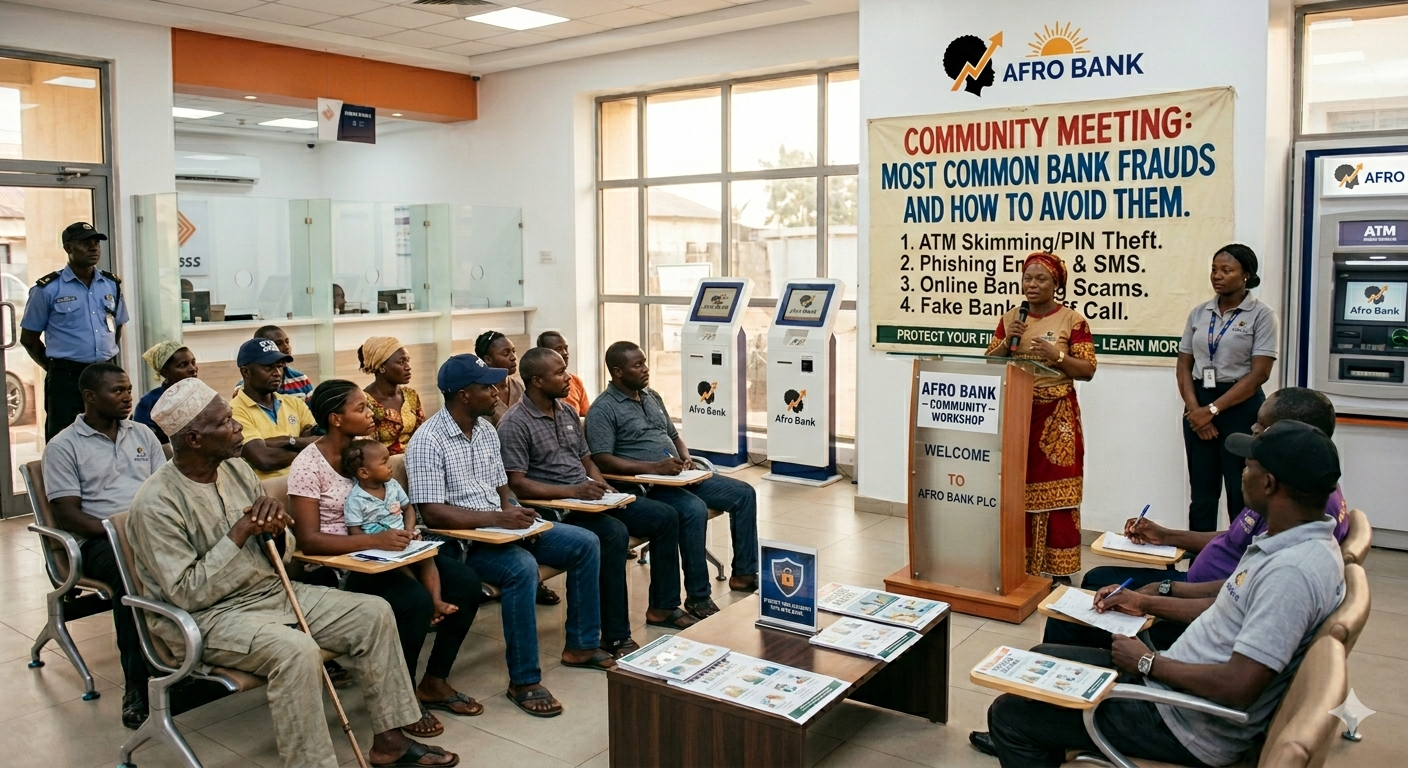
Bank fraud in Nigeria and Africa is no longer limited to simple ATM theft or obvious scams. Today, fraudsters operate with precision, using fake bank alerts, hacked emails, SIM swaps, and social engineering tactics to steal money from unsuspecting victims. As financial transactions increasingly move online, the risk of being targeted has grown significantly.
But beyond understanding fraud, there is something even more important: knowing exactly what to do if you fall victim, and how to report and possibly recover your money.
This guide goes beyond just identifying fraud. It shows you how to report scammer accounts, how recovery works, and the proper channels to escalate cases in Nigeria.
A Quick Overview of The Common Bank Frauds in Nigeria
Before diving into reporting and recovery, it’s important to recognize the most common fraud types that exists in the country. They are listed as:
- Fake bank alerts
- POS and transfer scams
- Phishing messages and fake bank links
- SIM swap fraud
- Social media marketplace scams
- Investment and loan scams
Each of these fraud types often involves a traceable bank account, which becomes your strongest leverage when reporting.
How to Report a Scammer Bank Account in Nigeria
When you discover you’ve been scammed, speed is everything. The faster you act, the higher your chances of stopping the transaction or recovering funds. Here are the step-by-step process of how to report a scammer bank account.
1. Contact Your Bank Immediately
The first action you must take is to notify your bank. Explain to them clearly on the amount lost, date and time of transaction, the receiving bank and account number and transaction reference.
Why does this really matter? This really matters because banks can quickly place a “Post No Debit” (PND) restriction on the scammer’s account if the funds are still there.
2. Request a Formal Fraud Complaint Log
It is very important to ask your bank to open a fraud case ticket, escalate it to the receiving bank and send a recovery request. This ensures your complaint is officially documented.
3. Provide Evidence
While submitting a formal report, be sure to prepare and submit:
- Debit alerts or screenshots
- Chat conversations with the scammer
- Proof of payment
- Account details of the fraudster
The stronger your documentation, the higher your chances of recovery.
How to Recover Money from a Scammer in Nigeria
Let’s be realistic, recovery is possible, but not guaranteed. It depends on timing, traceability, and cooperation between banks and authorities. Below are the processes or methods involved to recover your money from a scammer.
1. Interbank Recovery Request
Here, your bank will send a request to the scammer’s bank notifying them about the fraudulent transaction, and if the fraudsters account still has funds, his bank will do the following:
- They will freeze his account
- Investigation begins immediately
- Funds may or will be returned after verification
2. Legal and Law Enforcement Involvement
This is one of the most easiest way to recover your money.
In the course of my job as a bank staff, i have seen numerous times where people come with Court Order or Motion to report about a fraudulent transaction/erroneous transfer. This court order or motion is used to mandate the bank especially the fraudsters bank to reverse funds to the victim. If the fraudster has already moved funds, this is what you need to do:
- You may need to involve EFCC or the police
- The account holder is investigated
- Courts may order repayment if fraud is confirmed
It is very important to note that recovery of funds becomes difficult when funds are withdrawn immediately, money is split across multiple accounts or the account is opened with fake identity. This is why acting within minutes or hours is critical or important and not waiting for days.
How to Report a Scammer to EFCC (Nigeria)
The Economic and Financial Crimes Commission (EFCC) is Nigeria’s top agency for financial fraud cases. Below are the ways to report a scammer to EFCC
1. Submit an Online Complaint
Visit the EFCC official complaint portal and submit the following details:
- Full details of the incident
- Evidence of fraud
- Scammer account details
2. File a Physical Walk-In Petition/Complaint
You can physically visit any EFCC office in the country and submit A written petition and a printed evidence.
What EFCC Does After Reporting
After reporting the incident, EFCC may track the account, freeze funds, invite or arrest the suspect and or prosecute the fraudster if necessary. EFCC involvement strengthens your recovery chances, especially for larger amounts.
How to Report a Scammer Account to CBN
The Central Bank of Nigeria (CBN) regulates all banks, and they handle complaints when banks fail to act properly. When do you escalate to CBN? You should file a complaint with the CBN Consumer Protection Department if:
- Your bank ignores your complaint
- The receiving bank refuses to cooperate or freeze the account despite clear evidence
- Recovery is delayed unnecessarily or fund reversal process is delayed beyond standard regulatory timelines.
You can you can report or submit complaints via the CBN Consumer Protection Department or their official email or complaint form. These complaints will include:
- Your bank’s response
- Transaction details
- Timeline of events
What does CBN do? After reporting and submitting your complaint, CBN will investigate both banks involved, ensure regulatory compliance and pressure banks to act. CBN does not directly recover funds, but they enforce action from banks.
Reporting directly to CBN helps escalate fraud cases at a regulatory level through the following steps:
- Write a formal complaint letter detailing your banks’ lack of responsiveness.
- Attach all supporting evidence or your original fraud case reference numbers and receipts.
- Include all unhelpful email communications or logs from your bank
- Submit the package through the official CBN Consumer Protection channels
This matters because banks take cases more seriously when CBN is involved because it affects their compliance rating and may lead to penalties.
How to Report a Scammer Bank Account in Nigeria (For Example Bank XYZ)
If the scammer uses XYZ Bank, here’s how to act:
1. Email XYZ Bank Fraud Desk
When you send an email to the bank’s official email, kindly provide:
- Account number of scammer
- Transaction details
- Evidence
2. Visit a Branch If Urgent
Rush to the bank as quickly as possible and speak to customer service desk and request escalation to fraud unit.
3. Follow Up Aggressively
Keep checking status after reporting to the bank and always demand updates together with official case reference or reference ID
It is worthy to note that even though your bank initiates recovery, you can also contact the receiving bank (e.g., XYZ Bank) directly for faster attention.
Nigerian Scammer List – What You Should Know
You may come across searches like “Nigerian scammer list”. It is important to understand there is no single official public list of scammers because fraudsters constantly change identities and accounts and some lists online may be outdated or misleading. Below is a smart approach to adopt instead of relying on lists:
- Always verify account names before sending money
- Use platforms that track suspicious accounts
- Be cautious of new or unfamiliar accounts
Scamwatch Nigeria – Staying Ahead of Fraud
“Scamwatch Nigeria” refers to awareness platforms and communities that track and report scams. Scamwatch helps to alert you
- On trending fraud tactics
- Exposure of scam patterns
- Educational resources
Scamwatch teaches you how to effectively follow trusted fraud awareness channels, stay updated on new scam formats and share your own experience to help others. The goal is prevention through awareness and not just reaction.
Practical Tips to Avoid Becoming a Victim
Understanding fraud is not enough, you need daily habits that protect your money.
1. Never Trust Urgent Payment Requests
Fraudsters create pressure. Always pause and verify or even call your bank officers as I always advice our customers. As a bank staff, i always sensitize customers not fall for cheap fraud schemes. They need to contact their bank when ever they are in doubt.
2. Confirm Account Names Before Transfer
A simple mismatch check can save you millions.
3. Avoid Sharing Sensitive Information
Your PIN, OTP and password are very vital and sensitive. They not meant to be shared, even with someone claiming to be from your bank. As an insider, we do advice customers regularly.
4. Activate Transaction Alerts
Real-time alerts help you react immediately.
5. Use Secure Platforms
Avoid clicking:
- Unknown links
- Suspicious emails
- Fake banking apps
The Real Truth About Fraud & Recovery in Nigeria
Let’s be honest, many victims focus only on recovery after losing money. But the real advantage lies in speed, awareness and documentation.
- Speed helps stop funds before withdrawal
- Awareness helps you detect scams early
- Documentation strengthens your complaint
Conclusion
Bank fraud in Nigeria is evolving rapidly, but so are the systems designed to combat it. While scammers rely heavily on deception and speed, victims who act quickly and follow the right channels can significantly improve their chances of recovery. If you ever fall victim:
- Report immediately to your bank
- Escalate to EFCC if necessary
- Notify CBN if banks delay
- Provide strong evidence
- Follow up consistently
Above all, remember that the best defense against fraud is not just technology, it is knowledge, vigilance, and action.
Leave a Reply