
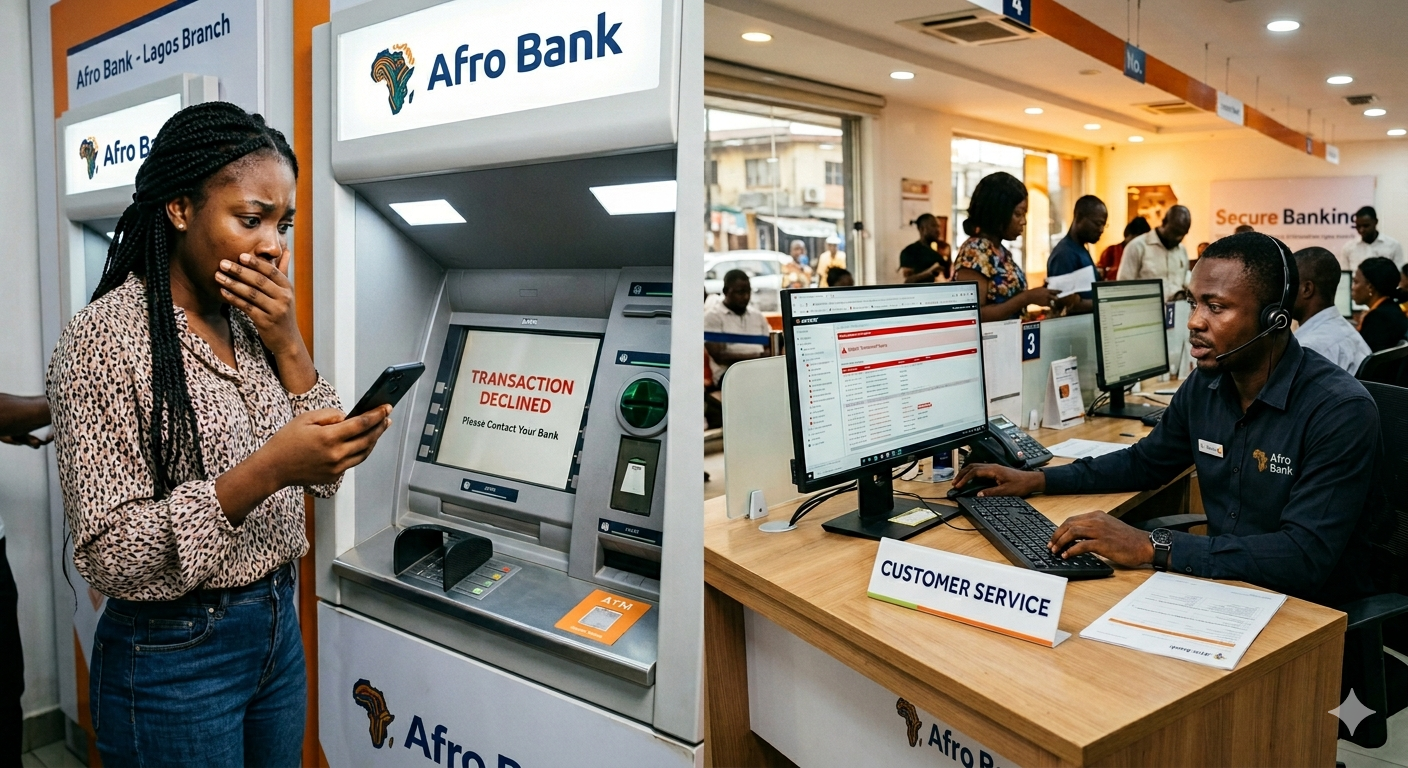
Banking is built entirely on trust. People rely on financial institutions to keep their hard-earned money safe, process transactions accurately, and maintain flawless records. However, banking systems are run by a combination of human input and complex technology, which means errors are inevitable.
When a bank makes a mistake on your account, the consequences can range from a minor headache to severe financial disruption.
Understanding exactly what happens behind the scenes, your legal rights, and how to respond immediately can mean the difference between getting a swift reversal or losing your peace of mind.
What Counts as an Official Bank Account Error?
An official bank error is any unauthorized, incorrect, or systemic action that inaccurately alters your account balance, transaction history, or access status.
It is crucial to differentiate between an internal processing error and fraud. If bad actors compromise your security, that is a cybercrime issue. But if a glitch in the bank’s core banking software or a network synchronization failure impacts your money, it is a bank mistake.
These internal processing failures typically manifest during automated debits, ATM settlements, or interbank electronic funds transfers.
The 5 Most Common Bank Account Mistakes
1. Unauthorized or Wrong Debits
One of the most alarming errors is noticing money deducted from your balance without your consent. This frequently occurs due to incorrect account mapping in the bank’s database, database glitches, or processing errors during bulk interbank transfers. I am a witness to this. This occurred to me when i erroneously input a wrong account number and didn’t check before processing. But the issue was resolved.
2. Failed Transactions with Active Debits
This is the classic “dispense error” or “failed transfer.” It happens when an ATM withdrawal, Point of Sale (POS) payment, or mobile app transfer fails to complete, yet your account is still successfully debited.
3. Duplicate Transactions
Network latency or system time-out errors can cause a bank’s ledger system to process the exact same transaction twice. For instance, a single swipe at a supermarket POS terminal might reflect twice on your statement, tying up essential funds needed for other obligations.
4. Incorrect Fees or Excessive Charges
Banks sometimes mistakenly apply the wrong account tier metrics, resulting in excessive account maintenance fees, card maintenance charges, or SMS alert fees for services never delivered. While small individually, these leakages accumulate quickly if left unchecked.
5. Missing Deposits or Inward Credits
Inward electronic transfers such as salary payouts, business payments, or third-party deposits can get trapped in a bank’s suspense account due to a breakdown in automated clearing house reconciliations.
Why Do These Banking Failures Happen?
Bank errors are rarely intentional. Instead, they are usually driven by four primary operational bottlenecks:
-
System Failures and Network Outages: Processing millions of concurrent transactions creates massive strain. A split-second drop in network connectivity during an interbank switch can disrupt transaction completion.
-
Human Data-Entry Errors: Bank staff handling manual inputs can occasionally mistype account numbers, mix up customer profiles, or input incorrect ledger amounts.
-
Interbank Switch Delays: When multiple distinct banking infrastructures interact, synchronization delays can cause temporary, inaccurate balances.
-
Faulty Automated Integrations: Updates to mobile apps or API bridges with third-party fintech platforms can trigger unexpected bugs in recurring debit workflows.
The Dispute Resolution Process: How Financial Errors Are Rectified
Once an error is flagged, banks must follow a standard, behind-the-scenes verification protocol to resolve the issue safely.
Understanding this workflow clarifies why some reversals are instant, while others require cross-institutional coordination between your bank (the institution that issued your card or account) and the merchant’s bank (the institution processing the payment on the other end).
Know Your Legal Rights: Consumer Protection
As a bank customer, you possess explicit legal protections designed to keep financial institutions accountable when errors occur:
-
The Right to Accurate Accounting: Your financial institution is legally obligated to maintain completely transparent and correct financial logs of your assets.
-
The Right to Redress: Banks are legally bound to investigate, communicate, and completely reverse any confirmed internal error, restoring your account to its exact rightful state.
-
Strict Resolution Timelines: Financial regulations mandate clear timelines for resolving disputes. Banks are expected to reverse internal automated transaction failures within very tight operational windows before penalties apply.
Action Plan: What to Do Immediately When a Bank Debits You in Error
If you catch a mistake on your account balance, taking immediate, structured action is vital to guarantee a fast resolution.
1.Verify and Audit the Log: This should be Immediate. Cross-check your full mini-statement via your mobile app or internet banking. Ensure it is a genuine bank system error and not a pre-authorized recurring subscription or a delayed merchant charge you forgot about.
How to Protect Your Accounts Against Future Systemic Errors
While you cannot control a bank’s internal server health, you can build a personal safety net to minimize your exposure to financial disruptions:
-
Turn on Real-Time Transaction Notifications: Ensure both SMS and email alerts are active so you spot unauthorized balance changes the minute they occur.
-
Review Statements Monthly: Dedicate ten minutes every month to review your official statements. Look closely for irregular card maintenance fees or duplicate micro-debits.
-
Double-Check Inward Transfers Before Spending: If you receive an unexpected credit alert that seems suspiciously high or out of place, verify its source with your bank before touching the funds. Spending money credited to you in error can carry severe legal liabilities.
People Also Ask (FAQ)
Will I get my money back after a bank mistake?
Yes. If an audit or internal investigation proves that the debit or charge resulted from a bank system malfunction, technical glitch, or employee error, the bank is legally obligated to return the full amount to your account. You have an absolute right to have your balance restored to its exact rightful state without any financial loss to you.
How long do banks take to reverse failed transactions?
Turnaround times depend entirely on where the error occurred:
-
Internal Platform Errors: If you experience a failed transaction using your bank’s own machines, networks, or digital apps, the reversal is often handled automatically or within 24 hours.
-
Interbank Errors: If you transfer money across different financial institutions or use an automated machine belonging to a competitor bank, the maximum resolution window typically extends to 48 hours to allow both platforms to clear their logs.
Can a bank refuse to correct an error?
Legally, No. A bank cannot refuse to fix a verified internal system error. However, delays or wrongful denials can happen if their internal logs claim the transaction was authorized via your mobile app PIN, password, or security token. If your bank formally denies your claim or stays completely silent past the maximum regulatory deadline for standard complaints, you have the right to bypass them and escalate your case directly to central financial regulators for intervention, for example the Central Bank of Nigeria.
My Final Thought
As a bank staff, I know that bank mistakes can be frustrating, stressful, and sometimes costly, but they do not have to result in lost funds. However, they are not permanent problems if handled correctly and promptly. The key is awareness, quick action, and persistence. When you understand how banking systems work and what your rights are, you are better equipped to respond effectively.
For my readers, this knowledge is not just useful, it is empowering. In a financial environment where errors and delays can happen, staying informed is your strongest protection.

Leave a Reply