The best online banking app for teens with parental controls depends on your family’s priorities:
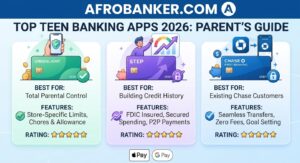
- Greenlight is the top overall choice for absolute safety, offering unmatched store-specific spending controls, automated chore tracking, and parental-approved stock investing.
- Step is the best free option for older teenagers, functioning like a debit card while safely building a positive credit history before they turn 18.
- Chase First Banking is the premier choice for parents who already bank with Chase and want a completely free, fully integrated option without managing a separate financial app.
┌────────────────────────┬──────────────────────────────────┬────────────────────────┐
│ App                    │ Best For                         │ Monthly Fee            │
├────────────────────────┼──────────────────────────────────┼────────────────────────┤
│ Greenlight             │ Store-Specific Control & Chores  │ $5.99 - $14.98         │
│ Step                   │ Credit Building & Older Teens    │ Free                   │
│ Chase First Banking    │ Existing Chase Customers         │ Free                   │
└────────────────────────┴──────────────────────────────────┴────────────────────
The best online banking apps for teens offer parental controls that allow parents to monitor transactions, set spending limits, automate allowances, and teach financial responsibility. Popular options include accounts with budgeting tools, savings goals, debit cards, real-time notifications, and strong security features designed specifically for teenagers and their families
Many parents want their children to learn how to manage money before they become adults. Years ago, this usually meant giving cash allowances and teaching basic saving habits through piggy banks or savings boxes. Today, technology offers a more practical approach.
Teen banking apps allow young people to receive money, make purchases, monitor their balances, save toward personal goals, and develop money management skills in a controlled environment. At the same time, parents can track spending activity and guide financial decisions when necessary.
The result is a balance between financial independence and parental supervision. Teaching teens how to budget early can prevent unhealthy financial behaviors later in life. Understanding trends such as doom spending vs revenge saving can help young people build a healthier relationship with money.
The days of taking a teenager to a physical neighborhood bank branch to open a paper-based savings account are largely over. In 2026, the financial landscape for minors is entirely digital. Teenagers require instant access to money via smartphones, Apple Pay, or Google Pay, while parents need robust, real-time oversight to prevent financial mishaps.
The right teen banking app balances autonomy for the teenager with strict, granular control for the parent. This guide breaks down the best modern platforms, what features to look for, and how to choose the right account for your family.
What Are the Best Online Banking Apps for Teens?
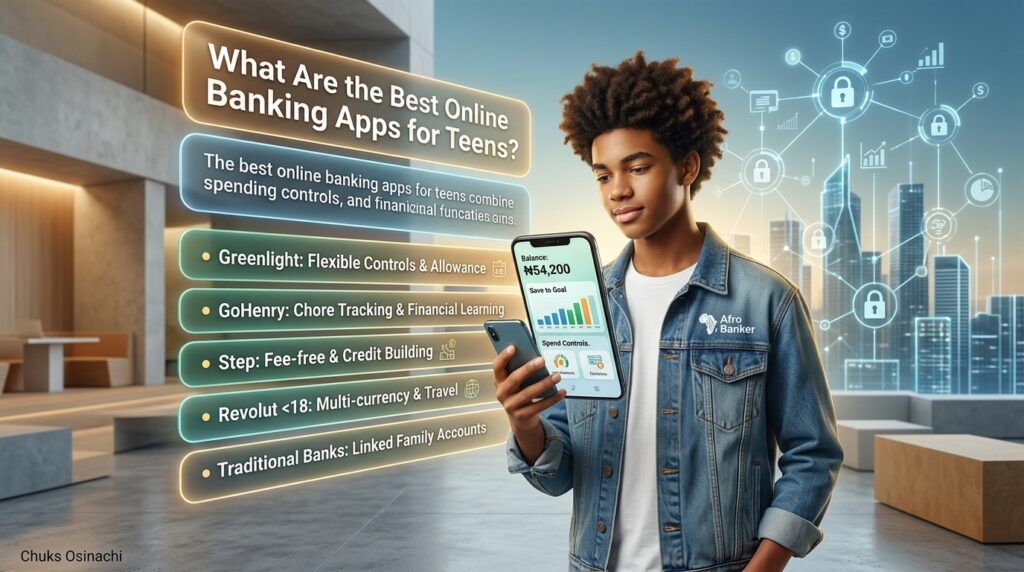
The best online banking apps for teens combine spending controls, parental monitoring, savings tools, security features, and financial education. Popular choices include:
- Greenlight: Best for flexible parental controls and allowance management.
- GoHenry: Best for interactive financial learning and chore tracking.
- Step: Best fee-free option with credit-building features.
- Revolut <18: Best for multi-currency controls and family travel.
- Traditional Bank Youth Accounts: Best for in-person branch access and linked family accounts.
The ideal option depends on your teen’s age, financial maturity, and the amount of parental supervision you want.
Why More Families Are Choosing Teen Banking Apps
Modern teenagers live in a digital world. They shop online, use smartphones daily, and often prefer cashless transactions. As a result, many families see teen banking apps as a natural extension of financial education.
Real-Time Spending Visibility
One of the biggest advantages is transparency. Parents can often receive notifications whenever a transaction occurs. Instead of wondering how allowance money was spent, they can review purchases and discuss financial decisions with their children.
Encouraging a Savings Culture
Teenagers often have goals such as buying a smartphone, gaming accessory, bicycle, or funding a hobby. Banking apps make it easier to set savings targets and track progress visually, which can encourage consistency.
Practical Financial Education
Financial literacy becomes easier when teenagers interact with money in real life. Rather than reading about budgeting in theory, they learn by managing actual funds and seeing the consequences of their spending choices.
Reduced Dependence on Cash
Carrying cash comes with risks such as loss, theft, or accidental spending. Digital banking reduces these concerns while allowing both teenagers and parents to maintain greater control.
Building Responsible Independence
A teenager who learns to manage a small amount of money responsibly today is more likely to develop healthy financial habits in adulthood.
Features Every Parent Should Look For
Not all teen banking apps are created equally. Before signing up, parents should examine several important features.
Strong Parental Controls
Parental supervision remains the most important feature in a teen banking platform. Look for apps that allow parents to:
- View transactions instantly
- Set spending limits
- Freeze or unblock cards
- Approve specific transfers
- Restrict spending categories
These controls provide protection while still allowing teenagers to learn financial responsibility.
Savings and Goal Planning Tools
Saving money becomes easier when there is a clear objective. Apps that include goal trackers can motivate teenagers to save consistently.
Budget Monitoring
Understanding where money goes is a critical financial skill. Budget tracking tools help teenagers identify spending patterns and make better decisions.
Security Features
Security should never be overlooked. Choose platforms that provide:
- Multi-factor authentication
- Instant transaction alerts
- Fraud monitoring
- Secure login systems
- Account recovery options
Learning Resources
Some apps include financial lessons, quizzes, or educational content. These features can transform an ordinary banking app into a valuable learning platform.
Top Teen Banking Apps Worth Considering
1. Greenlight
Greenlight is widely recognized for its extensive parental control features. Parents can decide exactly how money may be used, monitor purchases in real time, and guide savings habits through the app.
Why Parents Prefer Greenlight
- Flexible spending controls
- Real-time alerts
- Savings goal tracking
- Allowance automation
- Strong oversight tools
Why Teens Like It
Teenagers enjoy having their own payment card and spending account while maintaining a sense of independence.
2. GoHenry
GoHenry places significant emphasis on financial education alongside banking functionality. The platform focuses on helping children and teenagers understand spending, budgeting, and saving through practical experiences.
Key Advantages
- Spending notifications
- Saving tools
- Educational content
- Easy parent oversight
- Budget management features
Many families choose GoHenry because it combines banking with financial learning.
3. Step
Step is particularly appealing to older teenagers who want a simple digital banking experience.
The platform focuses on ease of use while providing parents with appropriate visibility into account activity.
Benefits of Step
- User-friendly interface
- Money transfer capabilities
- Parent supervision options
- Savings features
- Digital-first experience
For teenagers preparing for university or early employment, Step can serve as a useful introduction to modern banking.
4. Revolut <18
Revolut’s youth offering is designed for children and teens who want access to digital banking while remaining connected to a parent’s account.
Notable Features
- Spending notifications
- Parent-linked controls
- Savings vaults
- Transfer functionality
- Mobile-first banking experience
It is particularly attractive to families already familiar with digital banking solutions.
5. Traditional Youth Bank Accounts
Fintech apps are not the only option available. Many traditional banks now provide youth accounts specifically designed for children and teenagers.
These accounts may include:
- Mobile banking access
- Debit cards
- Savings options
- Transfer services
- Parent-linked features
Families who prefer dealing with established banks often find these accounts reassuring.
What Banking App Can a 14-Year-Old Use?
Many 14-year-olds can access specialized teen banking products with parental approval. Options commonly considered include:
- Greenlight
- Step
- GoHenry
- Revolut <18
- Youth accounts offered by commercial banks
Because a 14-year-old is still legally a minor in most jurisdictions, parents typically remain connected to the account and retain supervisory rights.
What Banking App Is Best for Teenagers?
There is no single answer because every family has different priorities. A parent focused on spending control may prefer Greenlight. A parent interested in teaching budgeting and financial literacy may lean toward GoHenry. Older teenagers seeking a more independent experience may prefer Step or Revolut <18. The best app is ultimately the one that matches your family’s financial goals and comfort level.
What Banking Apps Are Suitable for 16-Year-Olds?
At sixteen, many teenagers begin preparing for greater financial independence. They may need accounts for:
- Part-time job payments
- Online purchases
- Savings goals
- School-related expenses
- Personal budgeting
Popular choices include Greenlight, Step, GoHenry, Revolut <18, and youth accounts offered by traditional banks.
Which Bank Is Best for Kids’ Accounts in Nigeria?
Nigerian parents should compare youth account products based on their specific needs. Important factors include:
- Mobile banking functionality
- Account maintenance charges
- ATM access
- Savings incentives
- Security features
- Parental involvement requirements
Rather than choosing solely based on brand reputation, parents should evaluate which account offers the most practical benefits for their child’s age and financial objectives.
How to Open a Teen Bank Account Online
Opening a youth account is usually straightforward.
Step 1: Select a Suitable Provider
Choose a bank or fintech platform that offers accounts specifically designed for minors.
Step 2: Gather Necessary Documents
Requirements may include:
- Parent or guardian ID
- Child identification documents
- Proof of address
- Birth certificate
- Utility Bill
- Passport photograph of parent/guardian and that of the minor
Step 3: Complete Registration
Submit the required information through the provider’s website or app.
Step 4: Verify Identities
Most financial institutions require identity verification before activation.
Step 5: Fund the Account
After approval, funds can be deposited and the account can begin operating.
Benefits of Teen Banking Apps for Parents
Better Financial Visibility
Parents gain insight into spending habits and can identify unusual transactions quickly.
Easier Money Management
Sending allowances or emergency funds becomes faster and more convenient.
Fraud Prevention
Alerts and account monitoring can help identify suspicious activities early.
Financial Coaching Opportunities
Every transaction can become a learning moment, helping teenagers build stronger money habits.
Controlled Independence
Teenagers experience financial freedom without operating completely unsupervised.
Why Traditional Banks Fail Modern Teens
Standard checking accounts from traditional brick-and-mortar banks are often ill-suited for teenagers for three major reasons:
- Overdraft Traps: Many traditional accounts allow transactions to go through even if the balance hits zero, hit the account with a $35 overdraft fee, and leave parents to foot the bill.
- Lack of Real-Time Visibility: Traditional banking apps rarely offer instant push notifications for every single transaction, meaning a parent only discovers poor spending choices at the end of the month when the statement arrives.
- Static Learning Models: Old-school savings accounts pay near-zero interest and offer no interactive tools to teach teens about budgeting, investing, or compounding wealth.
Core Pillars of an Excellent Teen Banking App
When evaluating a digital banking app for your teenager, look past the colorful marketing and ensure it contains these four non-negotiable features:
1. Granular Parental Controls
The parent dashboard must give you the power to instantly lock or unlock the debit card from your own phone. It should allow you to block specific spending categories (e.g., gaming, restaurants) and set strict daily or weekly spending ceilings.
2. Real-Time Alerts and Transparency
Both the parent and the teen should receive an instant push notification the exact second a card is dipped, tapped, or used online. This immediate feedback loop is critical for safety and behavioral learning.
3. Automation and Chore Integration
Modern teen apps shouldn’t just hold money; they should help earn it. Look for apps that allow parents to set up automated weekly allowances or link payouts to completed household chores and academic milestones.
4. Built-In Financial Literacy Tools
The best apps gamify saving. They include features like “Savings Chutes” or “Vaults” where teens can allocate money toward specific goals (like buying a car or a laptop), alongside micro-lessons on investing and budgeting.
The Top Teen Banking Apps of 2026
The market is split between dedicated family fintech apps and modern digital accounts backed by traditional institutions. Here are the leading platforms ruling 2026:
1. Greenlight (The Gold Standard for Total Control)
Greenlight remains a powerhouse for parents who want absolute control over where their children spend money.
- Standout Feature: Store-Specific Controls. A parent can specify that a teen can spend $20 at a specific grocery store or gas station, blocking them from spending it anywhere else.
- Bonus Tools: Features robust chore tracking, automated allowance distribution, and a managed investing platform where teens can research stocks with parental approval.
- The Catch: Requires a monthly subscription fee, meaning it is best for families who will actively use its full suite of tools.
2. Step (The Best Free, Credit-Building Option)
Step is a major favorite among older teens because it focuses heavily on financial freedom and building a future.
- Standout Feature: The Step Card builds credit. It functions safely like a debit card (teens can only spend what is in the account), but it reports the history to credit bureaus as a secured positive payment history, giving teens a head start on their credit score before they turn 18.
- Bonus Tools: Completely free with no monthly fees, offers high-yield savings goals, and integrates flawlessly with peer-to-peer payments.
3. Chase First Banking (The Best Traditional-Backed Free Alternative)
For parents who already bank with Chase and want everything under one roof, this account provides a smooth, reliable digital experience.
- Standout Feature: Fully integrated into the existing Chase Mobile app, making transfers from a parent’s account completely instantaneous.
- Bonus Tools: Features simple chore lists, savings goals, and zero monthly service fees.
- The Catch: The teen must be between 6 and 17, and the parent must hold a qualifying adult Chase checking account.
Managing the Transition: From Oversight to Autonomy
An app is simply a tool. To turn it into a financial education asset, implement a phased approach to giving your teen financial freedom based on their maturity:
[ Phase 1: Micro-Management (Ages 13-14) ]
                   │
                   ▼ (Strict store blocks, automated chore allowance)
[ Phase 2: Guided Freedom (Ages 15-16) ]
                   │
                   ▼ (General category limits, independent saving vaults)
[ Phase 3: Launch Ready (Age 17+) ]
                   │
                   ▼ (No spending blocks, focus on credit building & investing)
-
- The Training Wheels Phase: Start with strict controls. Use store-specific blocks and review every notification together to establish a baseline of good financial behavior.
- The Budgeting Phase: Shift the responsibility. Instead of micro-managing every dollar, give your teen a fixed monthly budget for clothes or social activities. If they spend it all in the first week, let them experience the consequence of having a zero balance until the next month.
- The Launch Phase: Before they head to college or move out, remove the spending blocks entirely. Shift the focus toward tracking credit-building progress and utilizing the app’s investing tools.
Frequently Asked Questions
Can a child have online banking?
Yes. Many banks and fintech companies offer supervised online banking solutions for children and teenagers.
What banking app can a 14-year-old use?
Teenagers aged 14 can typically use youth banking products such as Greenlight, GoHenry, Step, Revolut <18, and bank-sponsored youth accounts where parental approval is provided.
What is the best free banking app for teenagers?
Step is often considered a strong option for families seeking a low-cost or fee-friendly teen banking solution.
Can parents monitor spending on teen banking apps?
Yes. Most teen banking platforms provide spending alerts, transaction monitoring, and parental control features.
Conclusion
Teen banking apps are no longer just convenient tools for sending allowance money. They have become practical financial education platforms that help young people develop budgeting skills, saving habits, and responsible spending behaviors long before adulthood.
Whether you choose Greenlight, GoHenry, Step, Revolut <18, or a youth account from a traditional bank, the most important factor is selecting a solution that helps your child learn smart money habits while giving parents the confidence that proper safeguards remain in place.