What should you do if someone creates a fake bank account in your name?
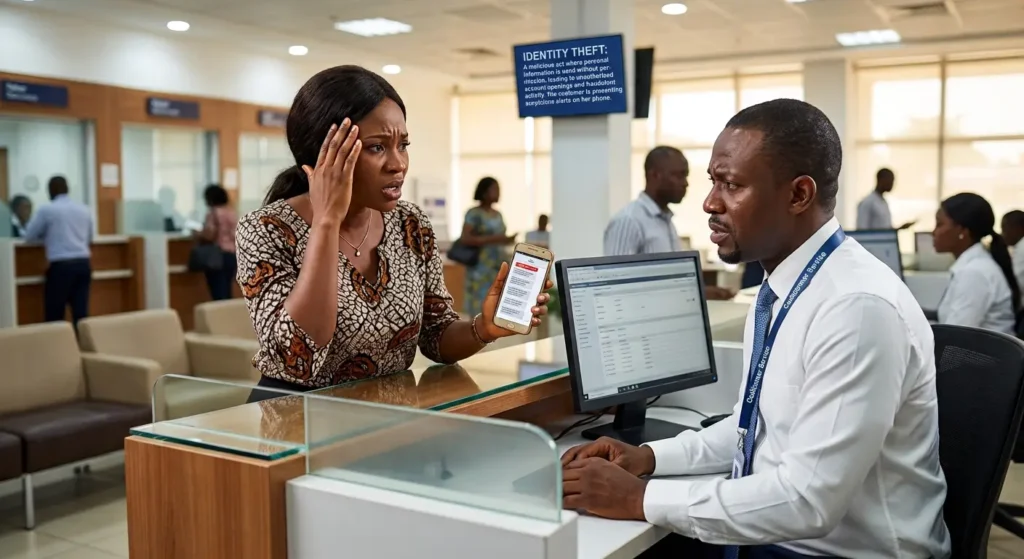
If someone creates a fake bank account in your name, contact the bank immediately, report the account as fraudulent, request an investigation, secure your existing accounts, change affected passwords, report the incident to the appropriate authorities, and continue monitoring your financial activity for signs of identity theft.
Imagine receiving a text message from a bank you’ve never used, only to discover that an account has been opened in your name. It is a frightening situation, but it happens more often than many people realize. Criminals use stolen personal information to open bank accounts, move illegal funds, commit fraud, or test whether stolen identities can bypass financial security checks. Reports from consumer protection and fraud-monitoring organizations show that identity thieves may use stolen personal data to open deposit accounts and conduct financial fraud.
The good news is that quick action can limit the damage and help you protect your finances and reputation.
- Contact the Bank or Financial Institution: Reach out immediately to the fraud department of the bank or institution where the fake account was opened. Tell them the account was fraudulently opened without your consent, ask them to freeze or close it, and request a written confirmation that you are not responsible for the account or any transactions tied to it.
- Place a Fraud Alert: Contact a major credit reporting agency (such as Equifax, Experian, or TransUnion) to place a free initial fraud alert on your credit file. This warns lenders to verify your identity before opening any new credit or accounts in your name.
- Freeze Your Credit: Consider placing a credit freeze with the credit bureaus. A freeze blocks anyone including you, temporarily from opening new credit lines until you lift it.
- Check Your Credit Reports and Banking Trackers: Request a full copy of your credit report and check specialty consumer reporting databases like ChexSystems (which tracks checking and savings account history) to see if other unauthorized accounts exist.
- File a Police Report: File a report with your local police department or law enforcement agency. Bring copies of any notices, letters, or bills you received regarding the fake account. Get a copy of the official police report, as banks and credit bureaus will often request it to clear your record.
- Report to Identity Theft Authorities:
-
- If you are in the United States, file a detailed report at IdentityTheft.gov (run by the FTC).
- If you are in the United Kingdom, report it to Action Fraud and consider protective registration with Cifas.
- If you are in Nigeria, report the identity theft and financial fraud to your bank’s compliance unit, the Central Bank of Nigeria (CBN) guidelines channels, and law enforcement agencies like the Nigerian Police Force or the EFCC.
-
- Secure Your Personal Information: Change the passwords and PINs for your legitimate bank accounts, email addresses, and online portals. Turn on multi-factor authentication (MFA) everywhere it is available.
Can Someone Really Open a Fake Bank Account in Your Name?
Unfortunately, yes. This what we call identity theft in the bank. Fraudsters are constantly looking for new ways to exploit personal information. In some cases, they obtain details from lost identity cards, stolen documents, leaked databases, phishing scams, social media profiles, or insider compromises. Once they gather enough information, they may attempt to open an account while pretending to be you.
Sometimes, the account is used to receive fraudulent funds. Other times it becomes a temporary tool for criminal activities such as laundering proceeds from scams, moving stolen money, or deceiving unsuspecting victims. The frightening part is that the account holder on record appears to be you. To understand more about using account opened in your name for fraudulent activities, read my complete guide on What Really Happens When a Bank Flags Your Transaction?
Fake Bank Account in Your Name, How Does This Happen?
Fraudsters do not need physical access to your wallet to steal your identity. In many cases, they obtain personal information through data breaches, phishing attacks, social engineering, compromised documents, or stolen identification records. Once they have enough information, they may attempt to open a bank account using your identity.
Common information used by fraudsters includes:
- Full name
- Date of birth
- Phone number
- Address
- Identification details
- Email address
When combined, these details may be enough to impersonate a legitimate customer.
How Would You Know This Has Happened?
Many victims discover the fraud by accident. A bank account created in your name often leaves clues. The challenge is recognizing those clues before the account is misused.
Some warning signs include receiving unexpected SMS alerts, emails, account-opening notifications, ATM cards, cheque books, or account statements from a bank you do not use.
You may also receive verification calls from a bank asking you to confirm information about an account you never opened. Another red flag appears when people begin sending money to an account bearing your name even though you have no knowledge of it.
Any of these situations should trigger immediate concern.
Signs That Someone Has Opened an Account in Your Name
Many victims discover the fraud by accident. Warning signs often include:
1. Receiving Messages from an Unknown Bank
You may receive emails, SMS alerts, letters, debit cards, or account statements from a bank where you never opened an account. This is one of the most obvious warning signs.
2. Unexpected Verification Requests
A fraudster opening an account may trigger verification notifications. If you receive account-opening messages for an application you never submitted, investigate immediately.
3. Calls from Debt Collectors or Financial Institutions
If a fraudulent account is later used for illegal activities or incurs liabilities, third parties may contact you regarding transactions you know nothing about.
4. Suspicious Credit or Identity Alerts
Identity theft often extends beyond bank accounts. A fake account may be only one part of a larger fraud scheme involving loans, cards, or other financial products.
What You Should Do Immediately
1. Contact the Bank Immediately
The first step is to contact the bank where the fraudulent account was opened.
Inform the bank that:
- The account was opened without your knowledge or consent.
- You are a victim of identity theft.
- You want the account investigated and restricted immediately.
Most banks have fraud investigation units that handle such reports. Request to speak with the fraud, compliance, or customer protection unit and provide any evidence you have, including screenshots, text messages, emails, account numbers, or letters connected to the suspicious account.
Avoid assuming the bank already knows the account is fraudulent. The institution may only become aware of the issue after you report it.
2. Request Immediate Closure or Restriction
Ask the bank to freeze, restrict, or close the account pending investigation. The quicker the bank acts, the less opportunity fraudsters have to misuse the account. An investigation can reveal important details, such as whether forged documents were submitted or whether someone used stolen personal information. The findings may also help prevent the fraudster from targeting other victims.
3. Gather Evidence
Keep copies of:
- Emails
- SMS alerts
- Letters
- Account notifications
- Reference numbers
- Conversations with bank representatives
These records may be useful during investigations.
4. Check Your Identification Documents
Review your identification records carefully. and ask yourself the following questions:
- Have you misplaced any identification document recently?
- Have you shared copies of your ID with unknown individuals?
- Have you uploaded personal documents to untrusted websites?
- Has your phone or email account ever been compromised?
Sometimes the key to understanding the fraud lies in discovering how the criminal obtained your information in the first place.
5. Report the Identity Theft
Creating a fraudulent account in another person’s name is not merely a banking issue, it is an identity theft issue. Depending on your location, report the incident to the relevant law enforcement or cybercrime authorities. An official report creates a documented record showing that you were the victim rather than the perpetrator. This can become extremely important if the account was used for suspicious transactions. File a formal complaint with relevant authorities in your jurisdiction.
Depending on your country, this may include:
- Law enforcement agencies
- Cybercrime units
- Financial regulators
- Data protection authorities
A formal report creates an official record of the fraud.
Protect Your Other Financial Accounts
If your information was used to open one fake account, criminals may have access to other sensitive details. Take the following precautions immediately:
Change Sensitive Passwords
Update passwords for:
- Mobile banking
- Email accounts
- Payment platforms
- Digital wallets
Use strong and unique passwords.
Enable Multi-Factor Authentication
Multi-factor authentication adds an extra layer of security by requiring additional verification during login. Security experts consistently recommend it as an important defense against account compromise.
Monitor Existing Accounts/Financial Activities Closely
Many victims make the mistake of reporting the fake account and then moving on with their lives. That can be a costly error. Identity-related fraud often unfolds in stages. The same criminal who opened one account may attempt to open another. They may apply for credit products, initiate fraudulent transactions, or attempt other forms of financial deception. For the next several months, review your banking activities carefully. Always pay attention to unusual account alerts, verification requests and financial communications. Early detection is your strongest defense.
Review all your accounts carefully.
Watch for:
- Unauthorized transfers
- Unusual transactions
- New beneficiaries
- Changed contact information
Early detection can prevent major financial losses.
Check for Further Identity Theft
A fake bank account may indicate broader identity theft. Investigate whether criminals have attempted to:
- Open additional accounts
- Apply for loans
- Obtain credit facilities
- Register financial products in your name
Identity theft schemes often involve multiple fraudulent activities rather than a single account.
How We Can Help As Bank Staff
Modern banks use Know Your Customer (KYC), identity verification, and fraud-monitoring systems to detect suspicious account-opening attempts. Nevertheless, no system is perfect, and fraudsters continuously develop new methods to bypass controls.
If you report the incident promptly, the bank can often:
- Investigate the account opening process
- Review documentation submitted
- Trace suspicious transactions
- Freeze fraudulent activity
- Support law-enforcement investigations
How to Prevent This from Happening Again
Protect Personal Documents
Do not leave identification documents exposed or share them unnecessarily. Protecting yourself begins with simple habits and avoid posting sensitive personal information publicly. Keep identification documents secure and be cautious when responding to emails, links, and messages requesting personal details.
Be Careful Online
Avoid clicking suspicious links or responding to unsolicited requests for personal information. Consumer protection agencies warn that scammers frequently impersonate banks to steal credentials and personal data.
Verify Requests Independently
If you receive a message claiming to be from your bank, contact the bank using official contact channels instead of responding directly to the message. Always verify the identity of anyone requesting copies of your documents. Regularly review your banking activity instead of waiting for a problem to arise.
Monitor Your Financial Footprint
Regularly review banking alerts, account activity, and identity-monitoring services where available. Cybersecurity and law-enforcement authorities recommend continuous monitoring for signs of identity theft.
Most importantly, act quickly whenever something feels unusual. Fraud often succeeds because victims delay taking action.
Immediate Steps to Take When You Spot a Fraudulent Account
- Contact the Bank’s Fraud Department: Call the institution instantly. Inform them the account was opened without your consent. Request an immediate freeze and ask for a written confirmation letter stating you are not liable for any account activity.
- Place an Identity Theft Alert: Notify credit bureaus and specialty agencies. If you are in Nigeria, notify your bank to flag your Bank Verification Number (BVN) or National Identification Number (NIN) to prevent further unauthorized account creation.
- Pull Your Specialty Reports: Scammers often use your details at multiple banks. Request a report from consumer reporting agencies to see if other hidden checking or savings accounts have been opened in your background.
- File an Official Report: File a report with local law enforcement or federal anti-fraud agencies. Get a physical copy or tracking number of the report. Banks and credit entities require an official police or agency report before they will completely clear your name.
How Scammers Open Bank Accounts in Your Name
- Data Breaches: Corporate or platform hacks that leak names, dates of birth, and government ID numbers to the dark web.
- Phishing Scams: Deceptive emails, SMS messages, or phone calls mimicking official institutions to trick you into revealing personal codes.
- Physical Theft: Stealing bank statements, tax documents, or physical ID cards from mailboxes and wallets.
Reporting Identity Theft and Bank Fraud in Nigeria
-
- The Central Bank of Nigeria (CBN): If the bank fails to resolve or close the unauthorized account within standard timelines, escalate the issue directly to the CBN Consumer Protection Department via their official fraud channels.
- The EFCC or Police: File an official petition with the Economic and Financial Crimes Commission (EFCC) or the Nigerian Police Force Cybercrime unit. This ensures you have a legal shield if the fake account was used for cyber-fraud or “Yahoo” pooling schemes.
A Summary Checklists
| Action Item | Priority Level | Expected Outcome |
|---|---|---|
| Call Bank Fraud Team | Critical (Day 1) | Account is frozen; funds are locked. |
| File Police/EFCC Report | Critical (Day 1-2) | Official legal alibi created. |
| Secure BVN/NIN/Credit | High (Day 2) | Stops future accounts from being made. |
Frequently Asked Questions (FAQ s)
1. How do I know if someone opened a bank account in my name?
Signs may include receiving bank statements, debit cards, emails, or account notifications for accounts you never opened. You may also discover unfamiliar banking inquiries when reviewing your financial records or identity reports.
2. What should I do first if someone opened a bank account in my name?
Contact the bank’s fraud department immediately. Inform them that the account is unauthorized, request that it be frozen or closed, and ask for written confirmation of the fraud investigation.
3. Can someone open a bank account with just my name?
Usually, no. Most banks require additional personal information such as identification details, date of birth, address, and other verification data. However, criminals may use stolen personal information obtained through identity theft.
4. Is opening a bank account in someone else’s name a crime?
Yes. Opening a bank account using another person’s identity without authorization is considered fraud and identity theft in many jurisdictions and can lead to criminal prosecution.
5. Will a fake bank account affect my credit score?
In some cases, it can. Fraudulent accounts may lead to financial disputes, collections, or negative records if left unresolved. This is why reporting the fraud immediately is important.
6. Can I be held responsible for transactions made through a fake account in my name?
Generally, victims of identity theft are not liable for accounts fraudulently opened in their names once the fraud is reported and properly investigated.
7. Should I report a fake bank account to the police?
If your identity has been stolen, filing a police report can strengthen your case and create an official record that may help during investigations and disputes.
8. How long does it take a bank to investigate a fraudulent account?
Investigation times vary by institution and the complexity of the case. Banks typically review identity documents, account activity, and fraud claims before making a final determination.
9. How can I prevent someone from opening another bank account in my name?
Protect your personal information, use strong passwords, enable two-factor authentication, monitor your accounts regularly, and consider identity-theft monitoring services where available.
10. What information do fraudsters use to open bank accounts in someone else’s name?
Fraudsters often use stolen personal information such as your full name, address, date of birth, government-issued identification details, and other sensitive data obtained through scams, data breaches, or identity theft.
11. Can a bank detect a fake account opened in my name?
Banks use Know Your Customer (KYC), fraud monitoring, and identity-verification procedures to detect suspicious applications. However, some fraudulent accounts may still slip through if criminals possess convincing stolen information.
12. Can I sue someone for opening a bank account in my name?
13. Am I liable for money stolen or moved through a fake account?
No. If you report the identity theft promptly and provide a police or regulatory report, you are generally not held legally or financially responsible for fraudulent transactions made in your name.
14. How do I know if someone opened a bank account in my name?
Warning signs include receiving unexpected bank statements, debit cards in the mail for accounts you never applied for, notifications from credit agencies, or soft inquiries on your credit history that you don’t recognize.
15. Can someone open a bank account with just my name and BVN/NIN?
Yes. If a scammer gets ahold of your full name and government identification numbers, they can sometimes bypass digital tier-1 banking apps that have weak selfie-verification or loose KYC checks.
My Final Thoughts
A fake bank account opened in your name is more than an inconvenience. It is a warning sign that your personal information may have been compromised. The sooner you act, the greater your chances of preventing financial loss and protecting your identity.
Contact the bank immediately, document everything, report the fraud to the appropriate authorities, secure your other accounts, and remain vigilant for additional signs of identity theft. Quick action today can save months of stress and financial complications tomorrow.